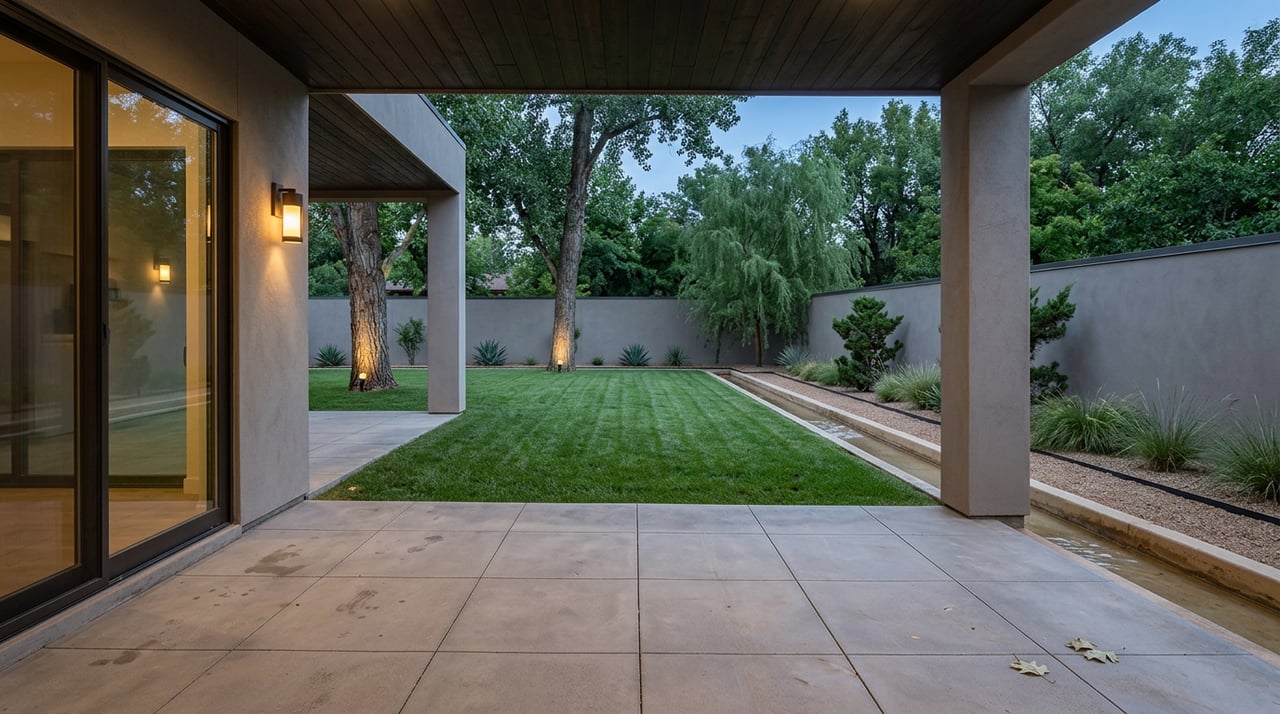
Selling an acreage estate in Los Ranchos de Albuquerque is not a typical home sale. Water, wastewater, and irrigation documents can make or break your timeline, and the value often comes down to the land itself. If you want a smooth close and top dollar, you need a plan that tackles the technical details up front. In this guide, you’ll learn exactly what to gather, how to price with confidence, and how to market your acreage to serious buyers. Let’s dive in.
Start with water and wastewater
Water and wastewater are the first items buyers and lenders will scrutinize. If your property has an on‑site liquid waste system, complete the required NMED property‑transfer evaluation before you list. The state outlines the process and timelines, and you should keep any pumping and maintenance records with the report. You can review the rules for the transfer evaluation through the New Mexico Environment Department’s guidance on property‑transfer evaluations.
If you have a domestic well, pull your well permit number, completion report, and any historical data you have. Schedule a pump test to confirm gallons per minute and order a basic water quality panel for coliform and nitrates. The New Mexico Office of the State Engineer provides background on domestic well documentation and related rules.
Pro tip: Package the septic evaluation, well log, pump test, and lab results together. Providing these items early builds buyer confidence and shortens the contingency period.
Prove irrigation and acequia status
In Los Ranchos, many estates benefit from surface water deliveries managed by the Middle Rio Grande Conservancy District. Identify if your parcel receives MRGCD deliveries, locate the turnout, and collect any account or easement information tied to your property. If your property is served by a community ditch, gather acequia bylaws, membership details, or any records that show historical use. You can find references to turnout processes and governance in MRGCD board records.
Surface water transfers and acequia rights can be complex. Clear documentation of how water is delivered, when it is scheduled, and who maintains any ditches or turnouts reduces negotiation risk. For broader background on acequia governance and procedures, review the New Mexico Acequia Association’s resources.
Confirm zoning and access early
Los Ranchos has a distinct planning framework designed to protect open space, riparian areas, and the village character. Before you list, verify your parcel’s zoning, any overlays, recorded easements, and legal access. If you anticipate changes to use or improvements, a pre‑consultation with Village Planning and Zoning is wise. You can start with the Village’s Planning and Zoning page and the municipal code to understand how “village sensitive areas” may apply to your parcel.
If your property includes barns, arenas, large sheds, or outbuildings with utilities, match your files to Village or County permit records. Missing permits can slow buyer financing or require remediation. It is better to find and address issues before going live.
Price land and improvements right
On acreage, land value often drives price more than the house. Appraisers handling rural and acreage properties usually separate land into classes, then assign value based on comparable sales and land capability. The Appraisal Institute emphasizes land‑mix analysis and the importance of soils and irrigation data when valuing rural properties. If you need to pull soils or capability data, the USDA NRCS Web Soil Survey is a standard reference.
Water access, irrigable acres, and proximity to the Rio Grande can create meaningful premiums or introduce constraints. Properties near the river may be subject to floodplain or habitat‑related rules, so it is smart to check your FEMA map status. Buyers will pay for documented, usable acreage with reliable water. They will discount for uncertain water, unpermitted structures, and unknown flood risk.
Key value drivers in Los Ranchos include:
- Deliverable surface water and turnout details.
- Acres that are actually irrigable, not just mapped as open space.
- Rio Grande or bosque adjacency, paired with transparent flood information.
- Functional equestrian improvements and secure, permitted outbuildings.
- Clean access and clear easements.
If you want a data‑driven price, consider a broker’s land‑mix CMA and, in some cases, a valuation by a rural‑experienced certified appraiser. This approach reduces renegotiation later.
Pre‑listing checklist that prevents delays
Handle these items in order, since they have the biggest impact on closing risk and buyer financing.
Septic system
- Order the NMED property‑transfer evaluation and compile any pumping or maintenance records. If unpermitted, plan for registration or a permitted replacement.
- Reference: NMED’s property‑transfer evaluation guidance.
Well and water quality
- Locate the well permit and driller report, schedule a pump test, and order lab results for coliform and nitrates.
- Reference: OSE background on domestic wells and documentation.
Irrigation and surface water
- Gather MRGCD turnout and account information, maps of ditches or easements, and any acequia records that show historical use.
- Reference: MRGCD governance records and New Mexico Acequia Association resources.
Permits and as‑builts
- Collect building permits and final inspections for barns, arenas, large sheds, fences over regulated heights, and any utilities. Note any missing documents.
Survey and title
- Provide a current boundary survey or plat that shows easements, ditch alignments, and access. Ask title to flag any encroachments tied to MRGCD features.
Pricing analysis
- Request a land‑mix CMA and consider an appraisal by a rural specialist. Use soils, irrigation, and flood data to support the strategy. See Appraisal Institute guidance on rural valuation.
Property cleanup and light repairs
- Fix fencing, tidy barns, and organize equipment logs. Functional presentation reduces inspection objections.
Disclosures and taxes
- Prepare the county assessor tax‑levy estimate based on the sale price and complete the seller disclosure forms. You can review a plain‑English overview of New Mexico disclosure practice.
Marketing assets
- Order professional aerials that show boundaries, irrigation patterns, and river proximity. Write a clear property narrative that details water, improvements, and included items.
Marketing that reaches real buyers
Acreage buyers want two things: proof of value and a clear picture of how the property lives. Your listing should deliver both. Use high‑impact aerial and twilight photography to showcase fields, shade trees, and river adjacency. In the first paragraph of the listing, state your water sources, turnout locations, approximate irrigable acreage, and key equestrian features.
Place your listing in the MLS with accurate acreage, irrigation, and equestrian filters so it reaches qualified shoppers. Then amplify it with targeted digital marketing to likely buyer pools, such as equestrian owners and lifestyle acreage seekers in nearby regions. Serious buyers appreciate a well organized due diligence packet. Share your septic evaluation, well and lab reports, MRGCD or acequia documents, survey, and permits on request.
Avoid common choke points
You can head off most renegotiations by clearing up the following issues before you list.
Unpermitted or non‑compliant septic
- Complete the NMED transfer evaluation and resolve findings early.
Incomplete well records
- Provide a recent pump test and water quality results to satisfy buyers and lenders.
MRGCD or acequia uncertainty
- Map your turnout and ditches, share account details, and document historical use or bylaws.
Floodplain surprises near the river
- Pull your FEMA map status and disclose early. If questions arise, consider a surveyor’s input.
Who should be on your team
Selling an acreage estate is a team sport. At minimum, assemble these specialists:
- Listing agent with documented acreage and equestrian experience in the North Valley.
- Certified general appraiser or rural property appraiser, when needed, guided by Appraisal Institute best practices.
- Licensed well driller to perform the pump test and file missing reports with the OSE.
- NMED‑qualified septic evaluator and installer for the transfer evaluation and any corrections.
- Title professional or land and irrigation attorney if you have water rights, turnout, or easement questions.
- Equestrian facility inspector or barn contractor if buyers will focus on horse infrastructure.
What to hand your agent at interview
Arrive prepared so your agent can position your property correctly from day one.
- Legal description and recent survey or plat.
- Permit numbers and records for all outbuildings and improvements.
- Well permit, driller report, pump test, and lab water quality results.
- Septic permit and maintenance logs, plus confirmation that the NMED transfer evaluation is complete or scheduled.
- MRGCD or acequia documentation, including turnout location and any membership or bylaws.
- Recent property tax levy estimate or instructions for the assessor request.
Ready to list your Los Ranchos acreage
If you gather the right records, price the land and improvements with data, and market to the correct buyer pools, you give yourself the best shot at a clean offer and a faster close. Our team pairs local acreage expertise with luxury‑grade marketing to present your property at its absolute best. We will help you assemble a complete pre‑listing packet, set a pricing strategy, and launch a targeted campaign that reaches serious buyers.
If you are ready to talk strategy for your estate, connect with The Lux Real Estate Group. We will prepare a custom plan and value estimate for your property.
FAQs
What does NMED require for septic when selling in Los Ranchos?
- Before transfer, NMED requires a property‑transfer evaluation of any on‑site liquid waste system, and you should provide the official report and maintenance records.
How do buyers verify a domestic well’s yield and quality?
- You provide the well permit and driller report, then schedule a pump test for gallons per minute and lab tests for coliform and nitrates per OSE guidance.
How do MRGCD and acequias affect an acreage sale?
- You need to document turnout location, account status, easements, and any acequia membership or bylaws so buyers understand how surface water is delivered and governed.
Does being near the Rio Grande change insurance or permits?
- If a portion of your property lies in a mapped flood zone, FEMA designations can affect insurance and certain permits, so you should disclose flood status early.
How should I price a Los Ranchos acreage estate?
- Use a land‑mix analysis that separates irrigated and non‑irrigated acres, confirm soils and flood data, then value improvements, following Appraisal Institute rural valuation guidance.