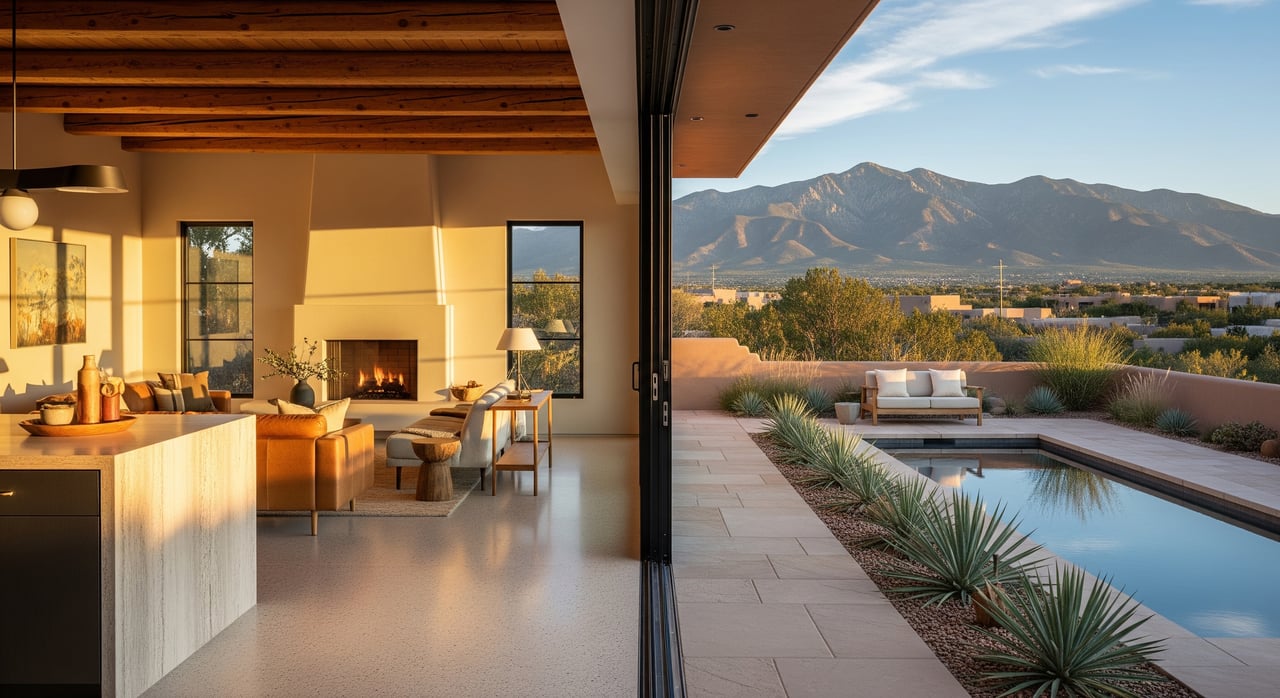
Are you ready to trade your current home for something larger, newer, or on a bigger lot, but unsure how the Albuquerque market will treat you? You are not alone. Move-up decisions involve timing, financing, and reading neighborhood trends correctly. In this guide, you will learn how Albuquerque’s price tiers work, where competition is hottest, what to expect in higher price points, and how to line up your sale and purchase with confidence. Let’s dive in.
What move-up means in Albuquerque
Use percentiles, not fixed prices
Prices shift every season, so fixed dollar cutoffs can mislead you. A better way is to think in percentiles. Entry-level homes make up roughly the lower 25 to 35 percent of local sales. Mid-range sits around the middle 35 to 60 percent. Move-up and luxury often fall in the top 10 to 20 percent, which is where you’ll find custom builds, larger lots, and premium finishes.
This view helps you compare your current home’s tier to the one you want to buy. Different tiers have different competition levels, timelines, and negotiation norms. That matters for how you price your sale and how you write your purchase offer.
How to translate percentiles
Start with the current Albuquerque median sale price from the local MLS or state Realtor reports. Then use simple multipliers to map tiers. The lower third often falls around 0.6 to 0.9 times the median. The mid-range may run near 0.9 to 1.4 times. The upper segment often climbs above 1.5 to 2 times the median. These are estimates. Your agent should pull fresh MLS percentiles to set accurate expectations.
Inventory and competition by tier
Entry-level dynamics
Entry-level homes draw the biggest buyer pool, including many first-time buyers and investors. That can mean faster sales, tighter inventory, and stronger sale-to-list ratios. In low-inventory cycles, sellers in this tier often receive multiple offers and fewer contingencies.
If you are selling a mid-range home to move up, you may still benefit from healthy demand close to entry-level price points. That can help you maximize proceeds for your next purchase.
Move-up and luxury dynamics
Higher price points typically see a smaller buyer pool and longer days on market. Inventory can be higher relative to demand. When mortgage rates rise, upper tiers often cool faster, which can open negotiation space for well-prepared buyers.
If you are buying a custom or luxury home, plan for more selective inventory and a longer search window. If you must sell first, consider rent-back options or bridge financing so you can shop without rushing.
Neighborhood patterns to watch
Higher-priced custom areas
- North Valley: Larger lots, mature landscaping, and a mix of custom and historic properties.
- Sandia Foothills and Sandia Heights: Foothill settings, views, and larger lots along the Tramway corridor.
- Corrales: Nearby and often on move-up shortlists. It offers a rural feel and larger parcels. Note that Corrales is in Sandoval County.
- Gated and NE Heights foothill communities: Higher-end planned neighborhoods with luxury-focused design and amenities.
- East Mountains and rural Bernalillo County: Acreage and views, with commute considerations.
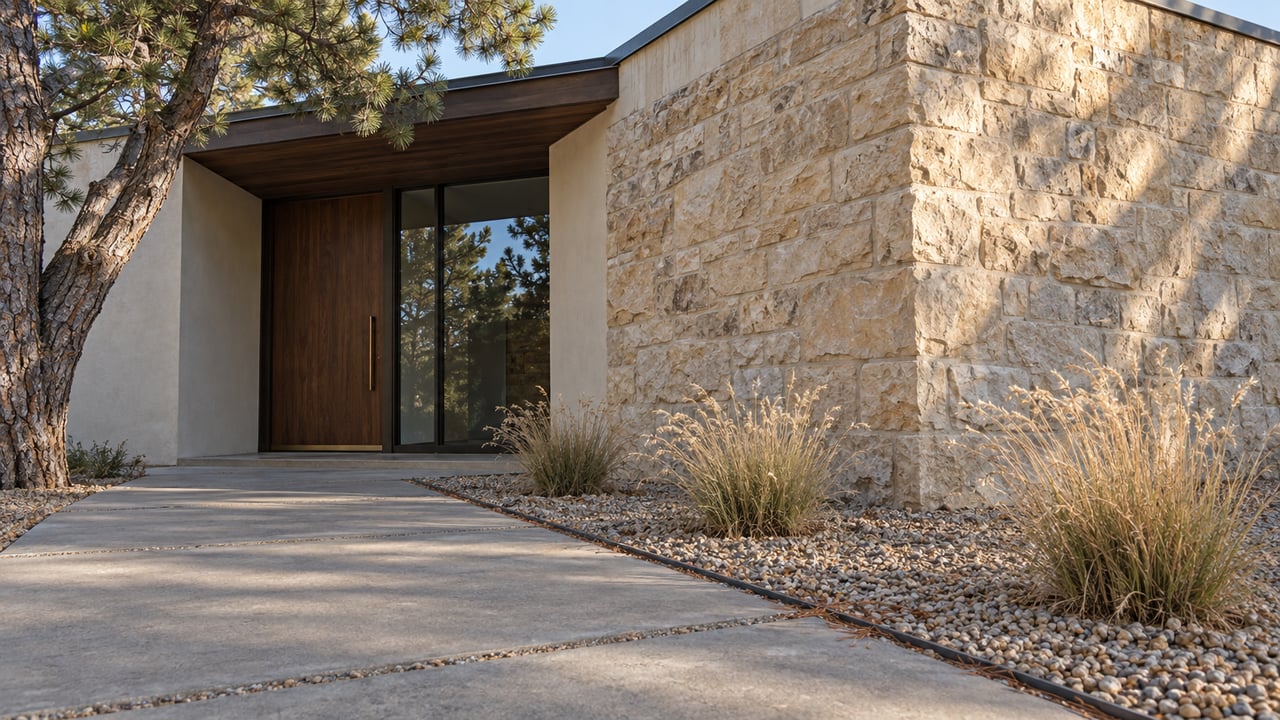
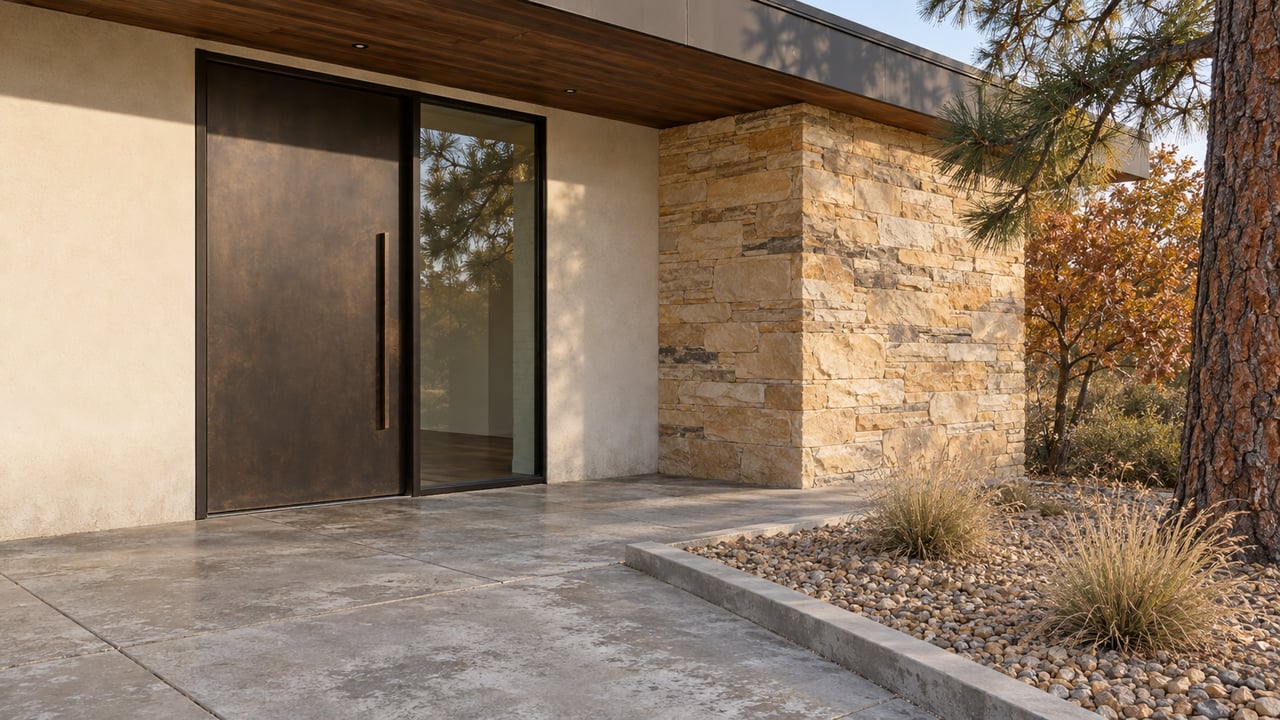
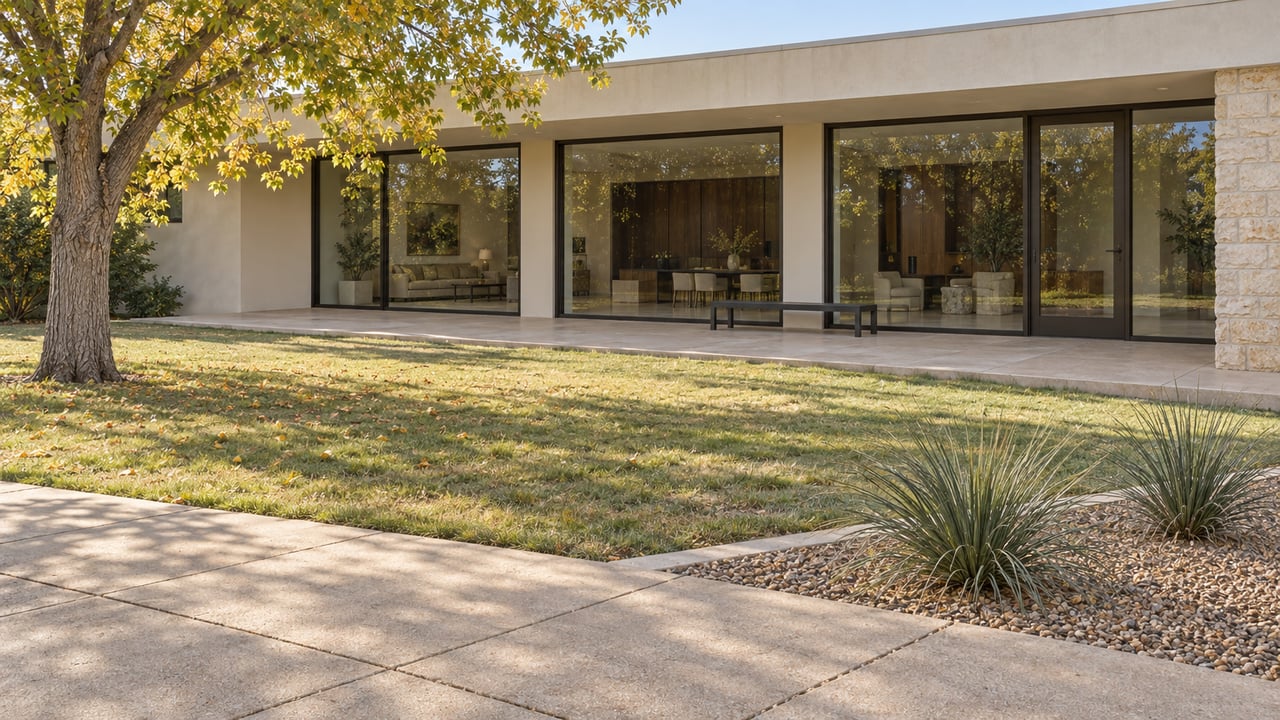
Lot size, privacy, and views are common differentiators in these areas. You will see a mix of custom builds and newer luxury in planned communities, each with different HOA rules and design standards.
Mid-range areas many sell from
- Northeast Heights: A broad mix of established neighborhoods and newer subdivisions.
- West Side and much of central Albuquerque: A wide variety of mid-price single-family homes.
- Select Rio Rancho neighborhoods: Often considered by Albuquerque move-up buyers, though outside Bernalillo County.
If you are listing in these mid-range zones, you may see steady demand with local variation by price band and condition.
Timing your move-up purchase
Sell first pros and cons
Pros:
- You remove the risk of carrying two mortgages.
- Your purchase offer may be stronger without a sale contingency.
Cons:
- You may need temporary housing or a rent-back.
- You might move twice if timelines do not align.
Buy first pros and cons
Pros:
- You can take your time to find the right property.
- You avoid temporary housing.
Cons:
- You may need bridge financing or a HELOC.
- You must qualify to carry two homes or have strong cash reserves.
A practical timing checklist
- Equity and cash: Confirm down payment, reserves, and estimated net proceeds from your sale.
- Loan options: Compare bridge financing, HELOCs, jumbo requirements, and rate locks.
- Market tempo: Review current days on market and months of inventory in both your selling tier and your target tier.
- Contingency comfort: Decide if you will include a home sale contingency or pursue a rent-back.
Financing for larger purchases
Loan types and limits
Larger loan amounts and higher interest rates impact your monthly payment more than you might expect. Ask your lender for current 30-year rate quotes and compare total monthly costs, including taxes and insurance. If your purchase price pushes above conforming loan limits, you may need a jumbo loan with stricter underwriting, reserve requirements, and higher credit standards.
Bridge loans and HELOCs can help fund a down payment before your sale closes. Terms vary by lender, so shop local programs and confirm timelines early. Lock your rate when comfortable, since rate movement affects buying power.
Managing appraisal risk
In higher price points, unique or custom features can complicate appraisals. If an appraisal lands below contract price, you may need to negotiate price, bring cash to cover a gap, or adjust terms. Plan a buffer in your budget and discuss appraisal strategies with your agent and lender.
Maximize the sale of your current home
Pricing and presentation
Your goal is to maximize net proceeds to fuel your move-up purchase. Review recent comparable sales in your tier and price to attract the largest buyer pool. In tighter segments, a competitive list price can prompt multiple offers. In balanced conditions, small, timely reductions may be needed.
Invest where it counts. Professional photos, light staging, fresh paint, landscaping touch-ups, and minor repairs often deliver better returns than major pre-list renovations. Strong marketing and presentation are especially important when buyers have options.
When to list in Albuquerque
Spring and early summer often bring more buyer activity. That said, local trends vary by neighborhood and price tier. Use fresh MLS data to choose your listing week and to plan open houses, digital marketing, and showings.
Negotiation differences at higher price points
In entry-level tiers, sellers often hold more leverage and negotiate fewer concessions. In move-up and luxury tiers, buyers can sometimes negotiate longer inspection windows, seller credits for closing costs or repairs, and flexible possession terms if inventory is growing.
Custom homes may require additional inspections. Depending on property type and location, plan for specialists who can evaluate structure, roofing, mechanical systems, wells or septic, irrigation features, and retaining walls. Budget time for these reviews before final commitments.
Track the right local data
Monthly numbers to follow
- Months of inventory by price band. Lower months suggest stronger competition.
- Median days on market by tier. Shorter timelines indicate hotter segments.
- Sale-to-list ratio by tier. Over 100 percent may signal bidding pressure.
- Share of cash sales in upper tiers. More cash can affect negotiation dynamics.
Ask your agent to label each data point with the date and source so you see how current it is. Mortgage rates change frequently, so pair rate quotes with payment examples to keep expectations realistic.
Questions to ask your agent
- Where does my current home fall by percentile, and how does that compare to my target tier?
- What are the current DOM and months of inventory in my sell tier and buy tier?
- Should I sell first or buy first based on my equity, loan options, and timeline flexibility?
- What inspections are most relevant for the neighborhoods and property types I am considering?
Ready to map your move with a clear plan? Get local guidance, data-backed pricing, and polished marketing that protects your bottom line. Reach out to The Lux Real Estate Group to discuss your goals or Request Your Free Home Valuation.
FAQs
What does move-up mean in the Albuquerque market?
- It generally refers to buying in the upper 10 to 20 percent of local home prices, which often includes custom or luxury properties with larger lots or premium features.
How competitive is Albuquerque’s entry-level vs luxury tier?
- Entry-level is usually more competitive with faster sales, while higher tiers often see longer timelines and more room to negotiate terms and concessions.
Should I sell my current Albuquerque home before I buy?
- Selling first removes the risk of carrying two mortgages, but you may need temporary housing; buying first avoids a gap but often requires bridge financing or strong reserves.
What financing options help when moving up in price?
- Consider a HELOC or bridge loan for your down payment, and prepare for jumbo loan standards if you exceed conforming limits; compare rate quotes and lock when ready.
How can I avoid appraisal gaps on a custom home?
- Use recent comps, budget a cushion, and structure terms that allow renegotiation or additional cash if the appraisal comes in below the contract price.