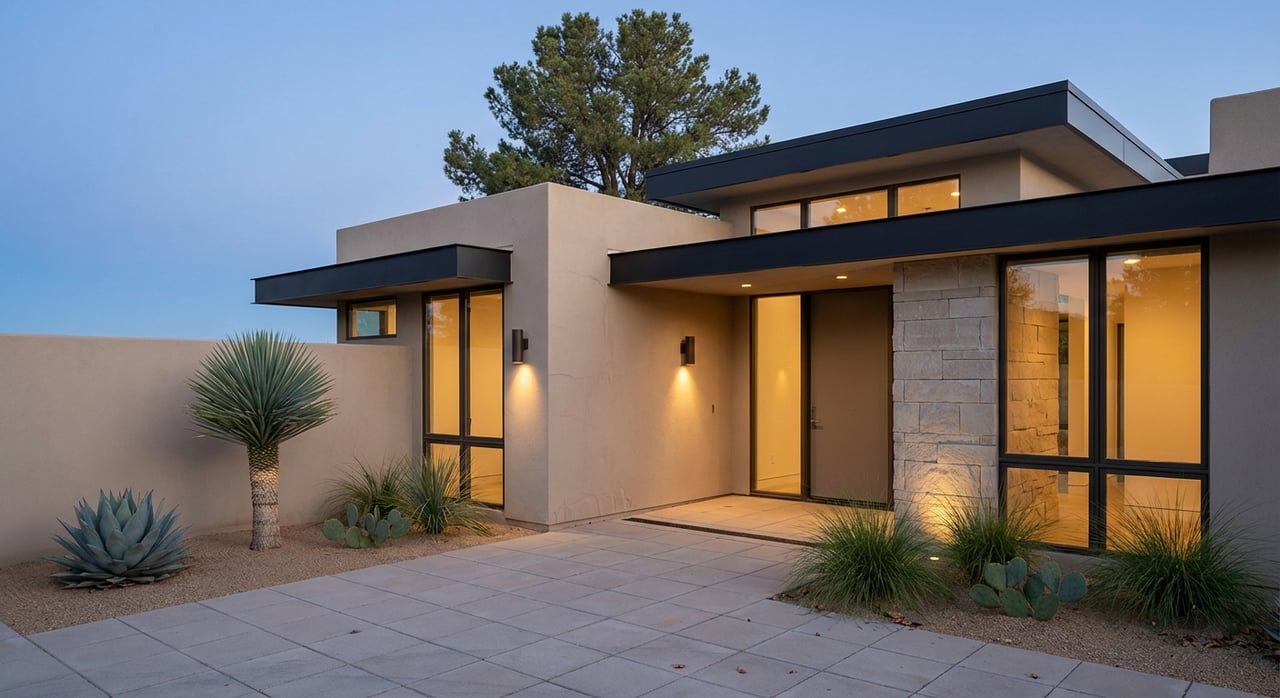
Thinking about selling your custom home in Albuquerque and wondering what truly moves luxury buyers? You are not alone. High-end listings in our market respond to a mix of precise prep, strong documentation, and standout presentation. In this guide, you will learn how to define luxury locally, audit your home’s unique features, fix what matters, and launch with visuals that command top-dollar attention. Let’s dive in.
What counts as luxury here
Luxury in Albuquerque is best defined relative to the local market, not a national number. The Greater Albuquerque median single-family sales price sits near the mid to high $300Ks, which means high-end starts well above that level. You can view the latest citywide snapshot in the GAAR 2025 annual statistics.
A practical benchmark is the top 5 to 10 percent of local sales. In Albuquerque that commonly starts in the high six figures and rises into the millions, depending on neighborhood, acreage, finishes, and views. For pricing and strategy, use a focused CMA anchored to recent luxury comps rather than a national rule of thumb. Industry guidance supports this top-percentile approach for defining luxury tiers (The Close explains the framework).
Typical luxury submarkets include North Albuquerque Acres, Sandia Heights, Tanoan, and parts of the Northeast Heights, with nearby Placitas also drawing buyers for acreage and mountain views. Because pricing bands vary by lot size and view, neighborhood-level comps will shape your target price and buyer profile.
Audit your home’s unique features
Views and orientation
In Albuquerque, Sandia Mountain and city-light views can be a primary value driver. Before photos, walk each room and check sightlines. Remove or trim vegetation that blocks signature vistas. Clean windows, update worn screens, and stage outdoor living areas so the indoor to outdoor flow reads clearly in photos and video. A well-framed view often becomes your lead image.
Pueblo Revival and adobe care
Many custom homes here include Pueblo Revival elements like vigas, kiva fireplaces, and smooth plaster. If your home has adobe or traditional stucco, plan a targeted exterior and roof review by a contractor familiar with these systems. Document any past repairs and use compatible materials for touch-ups. The National Park Service’s preservation guidance outlines common failure modes and appropriate treatments for adobe and plaster systems. You can share this reference with vendors or buyers for added confidence (NPS Preservation Brief on adobe).
Tips for adobe-focused prep:
- Address visible plaster or stucco cracks before photography, especially near parapets and portals.
- Match materials and textures so repairs look intentional and consistent.
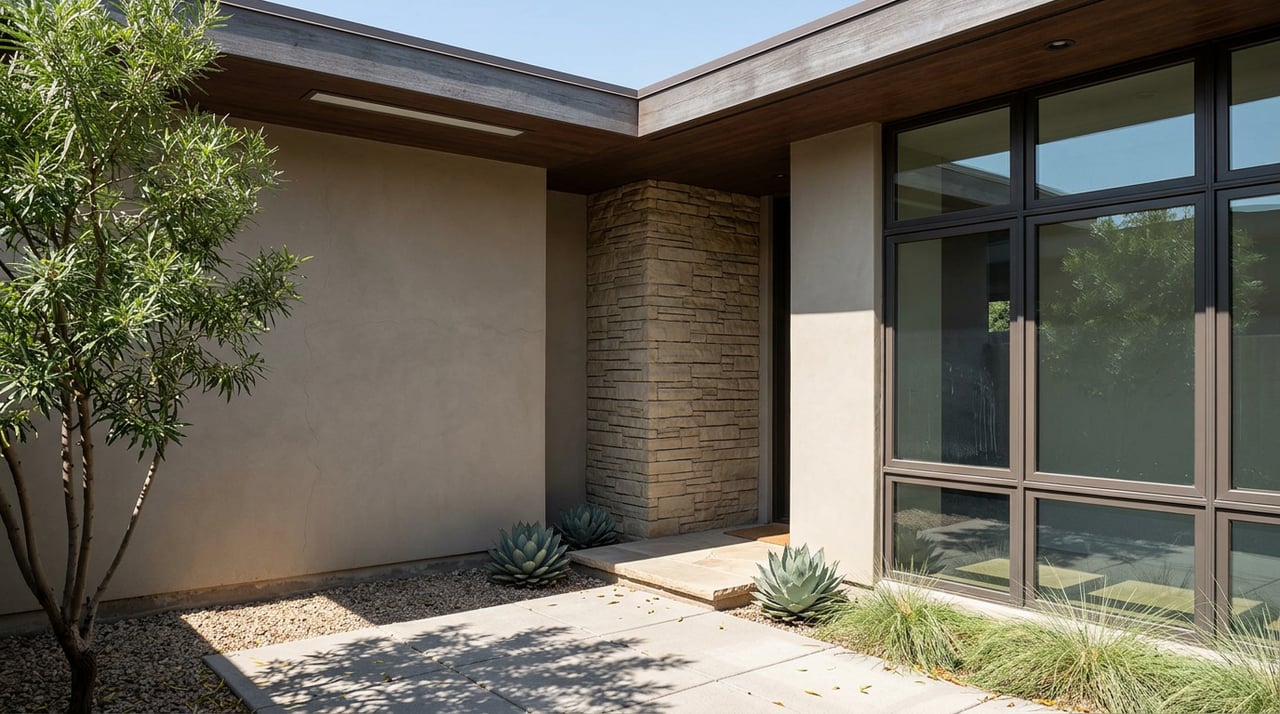
- Photograph authentic elements like vigas and kiva fireplaces with clean, minimal staging to let them stand out.
Acreage, wells, septic, and water rights
If your property sits on acreage, verify water-related items early. Gather well permits and production data, septic permits or inspections, any irrigation or acequia documentation, and note the water provider if you are on municipal service. In New Mexico, water rights and acequia obligations may attach to the land. Buyers will expect clear records and credible sources. You can verify water rights and well information through the Office of the State Engineer’s resources (OSE water rights search).
Pre-list inspections and disclosures
Pre-listing inspection timing
A seller-side inspection helps surface issues before buyers do. Schedule it several weeks before your list date so you can make key repairs, collect estimates, or disclose findings up front. This reduces the risk of renegotiation and can streamline contingency timelines once you are under contract.
New Mexico disclosure basics
New Mexico law requires sellers to disclose material defects they know about. In practice, sellers complete the standard state disclosure form and often attach relevant inspection reports, repair invoices, and permits or warranties. Work with your listing agent and counsel to confirm local practice, and remember that clarity builds buyer confidence. A helpful legal overview is available here (Justia state-by-state real estate forms).
Documents to assemble now
Create a digital folder you can share with buyers and appraisers. Include:
- Survey, plat, and legal description.
- Permits for additions and major systems; roof and HVAC service records.
- Solar details and production data, if installed.
- Well logs, well permits, and septic inspection reports for acreage.
- HOA, CC&R packets, and any architectural approvals.
- Landscape and irrigation plans, plus a list of high-end finishes and custom features.
- Any acequia bylaws or assessments if they apply. The OSE database is a good place to verify water details (OSE search tool).
Stage for scale and lifestyle
Luxury buyers shop with their eyes first. Staging helps them visualize how your spaces live. The National Association of REALTORS reports that 83 percent of buyer agents say staging makes it easier for buyers to see themselves in a home, and many observed higher offer amounts and faster sales when a property is well staged. The takeaway is simple. Presentation affects perception and price potential (NAR staging research).
What to prioritize in large or custom homes
- Anchor rooms. Stage the great room, kitchen, primary suite, and outdoor living so each photo reads clearly even at thumbnail size.
- Highlight authenticity. In Pueblo and adobe homes, let vigas, niches, and hand-troweled plaster be the stars. Keep decor simple and scaled to the space.
- Create lifestyle zones. Curate an office, lounge, or reading area that shows how the home functions for daily living and entertaining.
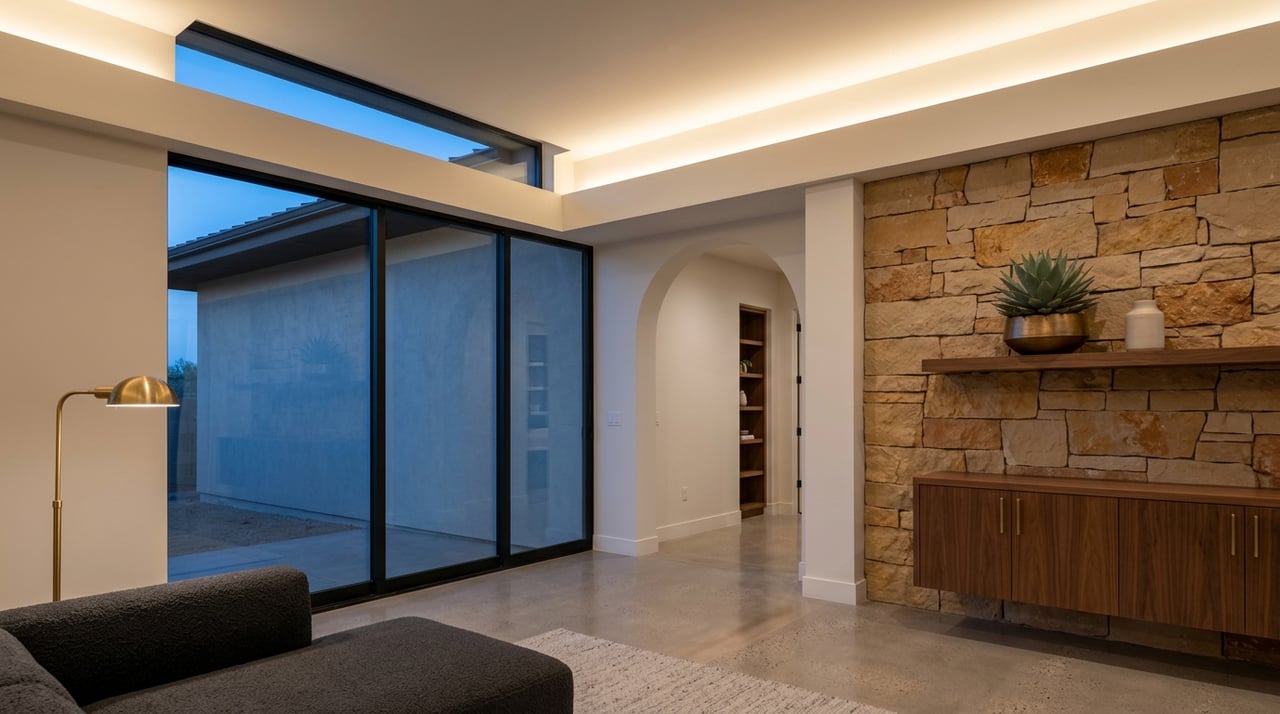
- Neutral and warm. Use a restrained palette with soft textures and layered lighting so spaces feel inviting and upscale.
Budgeting for professional visuals
Expect to invest in professional staging and a premium photography package. Pricing varies by scope and property size, but luxury-level photography and video often run from several hundred dollars to more than a thousand, with drone and twilight sessions typically priced as add-ons. You can review sample ranges to plan your budget and then request local quotes (example photography pricing overview).
Build a premium visual package
Must-have assets for luxury listings
- High-end interior and exterior photos with a strong hero image.
- A twilight hero photo that sells lifestyle and evening ambiance.
- Aerial drone stills and a short drone video to show lot lines, approach, and view corridors.
- Accurate floor plans.
- A cinematic video or narrated walk-through for digital syndication and social distribution.
NAR’s research reinforces that photos, video, and virtual tours are highly influential for buyers. Aim for a cohesive look that spotlights views and indoor to outdoor flow (NAR staging research).
Drone compliance and best practices
For any paid drone work, hire a pilot who operates under FAA Part 107 rules. Ask for their remote pilot certificate, aircraft registration, proof of insurance, and confirmation of airspace authorization when applicable. This is especially important near ABQ or other controlled airspace. A pro will handle LAANC or manual authorization and help you capture compelling but compliant footage (FAA commercial drone rules).
Twilight photos that convert
Twilight images often become the lead visual on luxury listings because they showcase architecture, pools, portals, and city lights. The shooting window is short, so plan carefully and consider a dedicated dusk session instead of a quick edit. Real twilight captures tend to feel more authentic and premium, which helps click-through and saves you from over-edited looks (why twilight works).
Smart pricing and perfect timing
Price with a tight CMA
Use a narrow set of recent luxury comps and active competitors. Adjust for view quality, lot size, architectural style, energy systems like solar, and recent capital upgrades. Local market metrics from GAAR are your foundation for understanding price trajectories and absorption (GAAR market statistics).
Time your launch
Nationally, early spring often produces peak buyer traffic. Realtor association analyses point to mid-April as a strong listing window in many metros. Plan prep in late winter so you can hit that spring surge, then confirm the exact timing with current Albuquerque MLS trends (seasonal timing overview).
Execute the first two weeks
- Go live mid-week to build into weekend showings.
- Lead with a strong hero image, often your twilight exterior or a view-forward great room.
- Syndicate to high-visibility channels and push a targeted digital campaign.
- Be ready to accommodate fast showing requests and evaluate offers on overall strength, not just price.
Ready-to-list checklist and 8–12 week timeline
Use this simple plan to keep prep on track.
8–12 weeks out
- Interview listing agents with proven luxury marketing and local comps expertise.
- Order a pre-listing inspection and get bids for any priority items.
- Gather key documents: permits, warranties, service logs, survey, HOA docs, plus well and septic records if applicable.
- Schedule roof and HVAC service and touch up paint and lighting.
4–8 weeks out
- Complete agreed repairs and updates.
- Book staging, photography, drone, floor plans, and video. Confirm a dedicated twilight session.
- If drone flights may occur near controlled airspace, confirm your vendor will secure proper authorization.
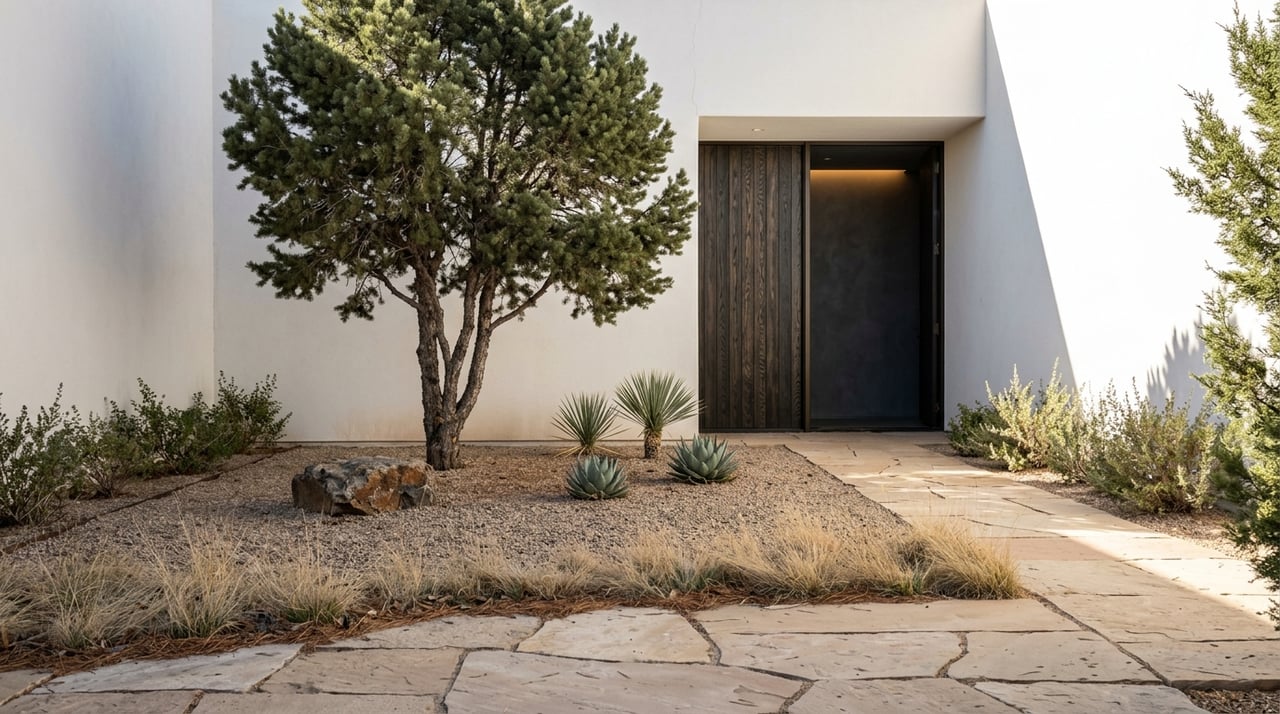
- Refresh exterior spaces: prune view-blocking vegetation, repair hardscape, and refresh gravel or mulch.
1–4 weeks out
- Install staging, declutter, and deep clean.
- Finalize disclosure packets and organize digital files for quick buyer access.
- Confirm gallery order, hero image, and listing copy that highlights views, architecture, and outdoor living.
Launch week
- Go live mid-week with the twilight hero image.
- Activate targeted digital ads and notify buyer agents in your network.
- Prepare for rapid showings and respond quickly to qualified interest.
Final thoughts
Prepping a custom home for the Albuquerque luxury market is about clarity and curation. Show the views, honor the architecture, document the details, and launch with premium visuals. If you want a partner who can manage the full process with white-glove marketing and data-driven pricing, connect with The Lux Real Estate Group. Request your free home valuation and get a tailored plan for a top-dollar sale.
FAQs
What defines a luxury home in Albuquerque?
- Locally, luxury is best defined as the top 5 to 10 percent of the market, which in Albuquerque typically starts in the high six figures and ranges into the millions, according to market context and industry guidance.
How should I prepare an adobe or Pueblo Revival home?
- Hire a contractor familiar with adobe and stucco systems, document prior repairs, and use compatible materials. The NPS Preservation Brief on adobe is a helpful reference for best practices.
What water and septic documents do buyers expect for acreage?
- Provide well permits and production data, septic permits or inspections, and any acequia documentation. You can verify water rights through the Office of the State Engineer’s resources.
Do I really need a pre-listing inspection for a luxury sale?
- A seller-side inspection helps you fix or disclose issues before offers arrive, which can reduce renegotiation and strengthen buyer confidence during contingencies.
What should be included in a luxury photography package?
- Professional interiors and exteriors, a twilight hero image, drone stills and video, accurate floor plans, and a cinematic video or walk-through, produced to a high standard.
Is drone photography legal near ABQ airport?
- Yes, when a Part 107-licensed pilot follows FAA rules, registers the aircraft, and obtains required airspace authorization. Always ask for proof of credentials and insurance.
When is the best time to list a luxury home in Albuquerque?
- Early spring often delivers strong buyer traffic. Aim for a late-winter prep schedule so you are ready to launch in that seasonal window, then confirm timing with current local data.