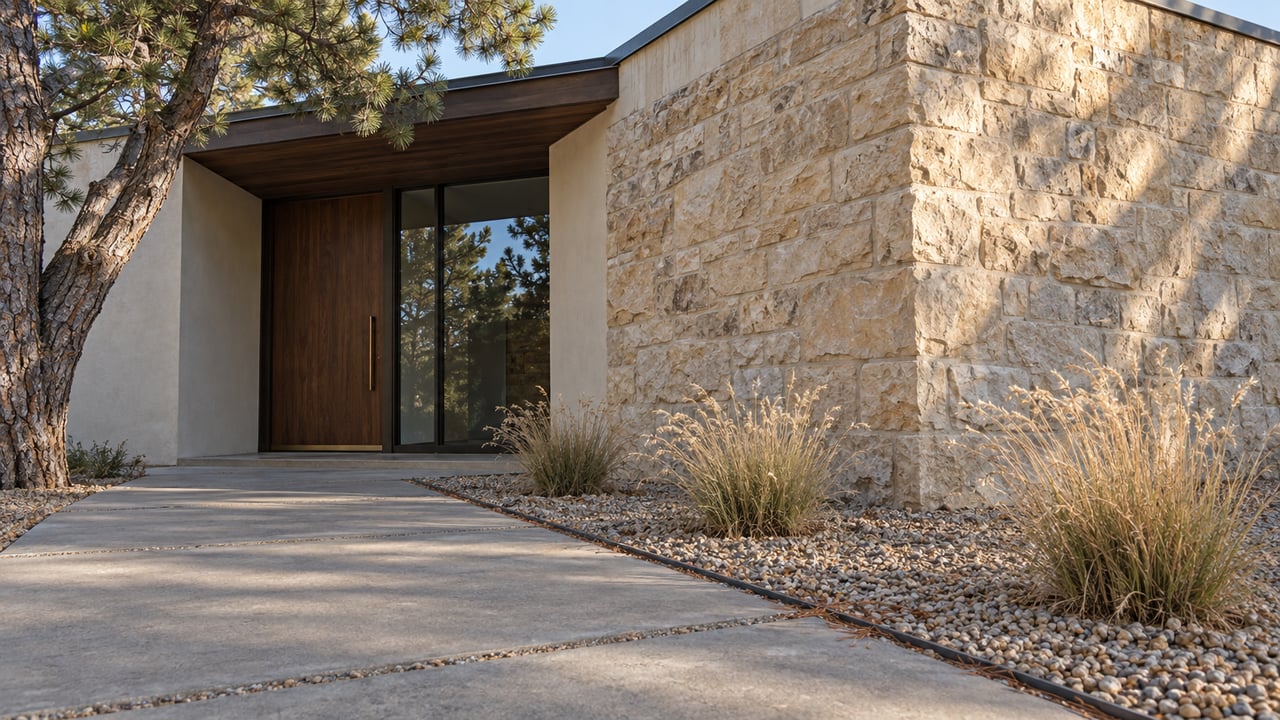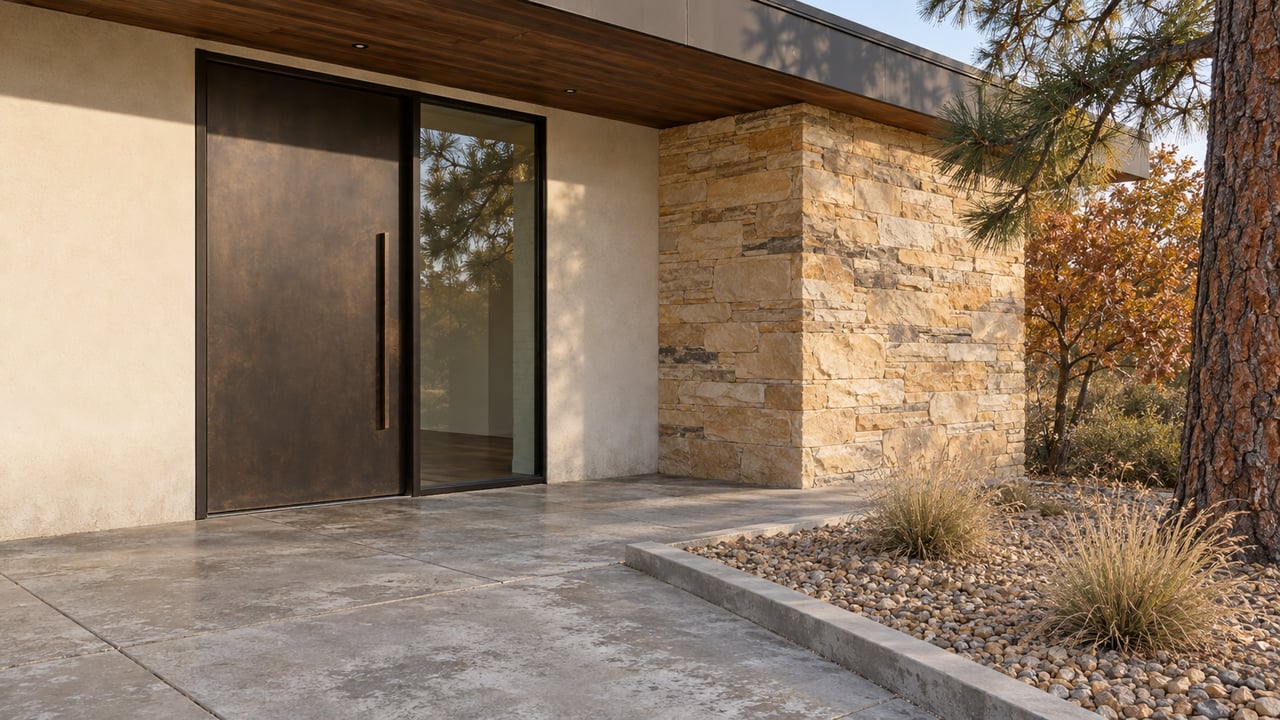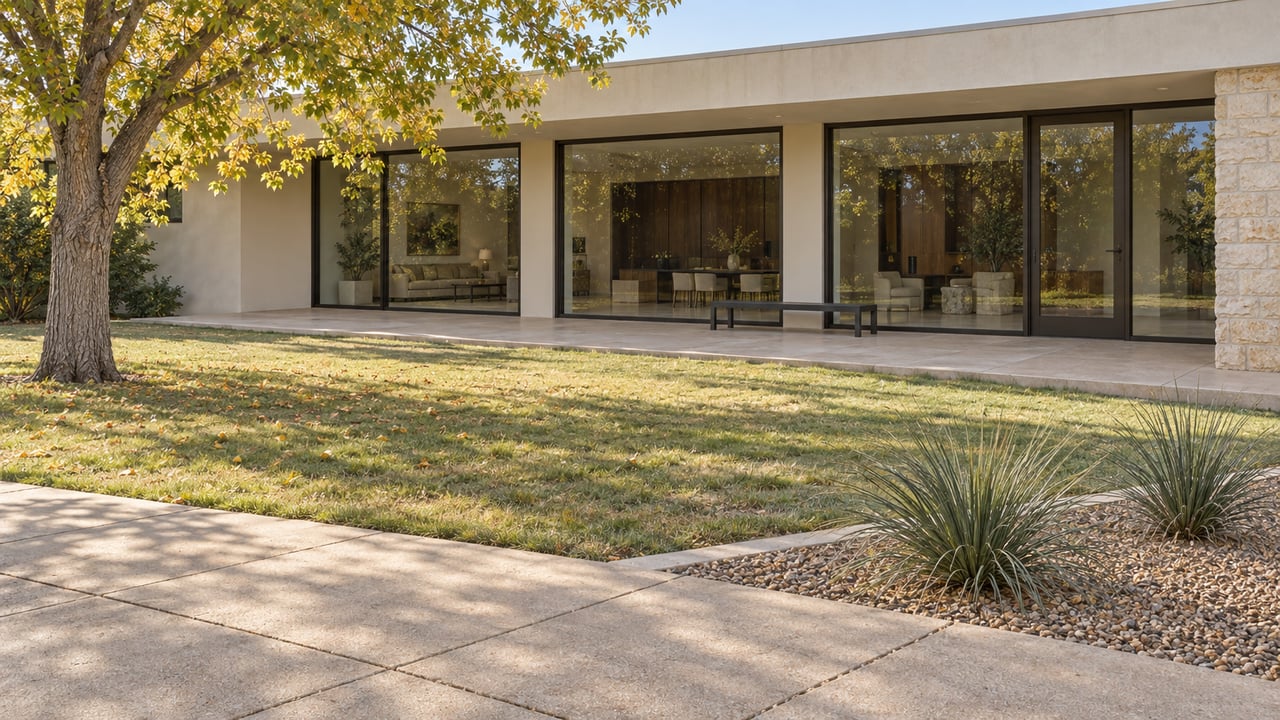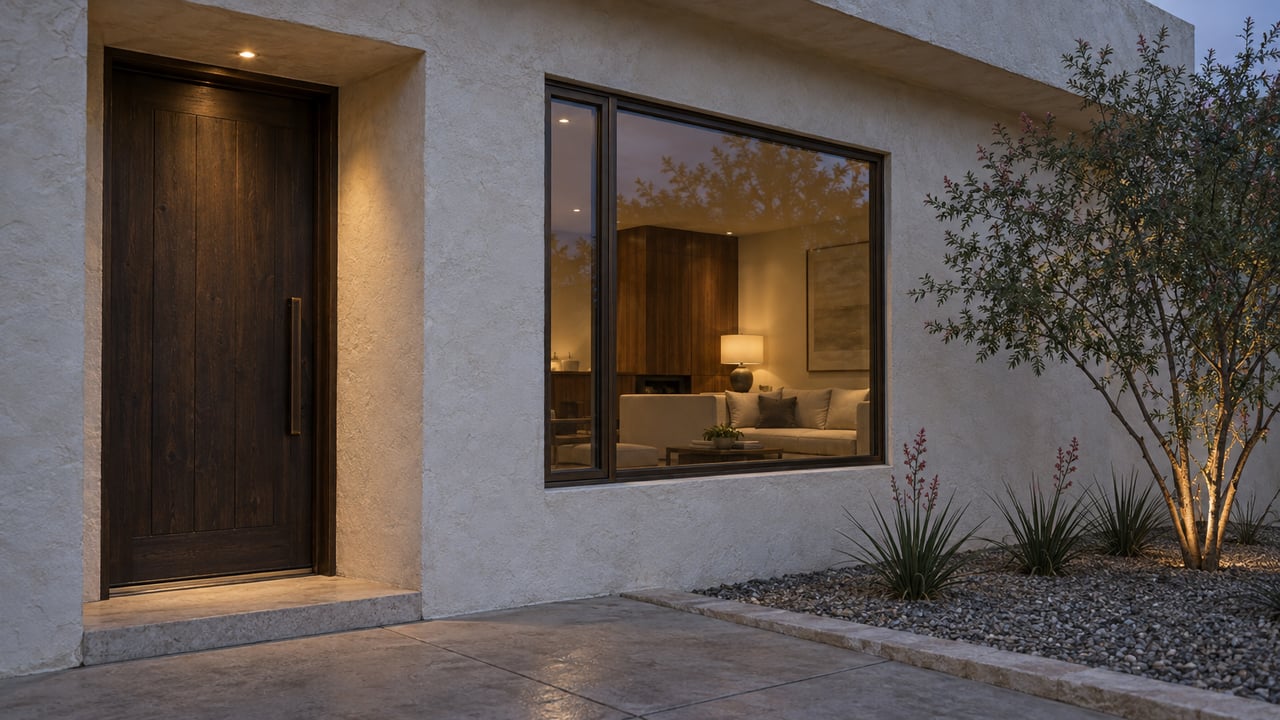
Want your first home to help pay the mortgage? In Rio Rancho, many buyers look at a duplex or a single-family with a casita to offset monthly costs while building equity. You want a setup that fits your budget, daily life, and long-term plans. This guide walks you through the key differences so you can choose with confidence. Let’s dive in.
Why house hacking in Rio Rancho
Rio Rancho has grown steadily, which supports demand for both rentals and entry-level homes. Many renters work across the Albuquerque metro and value Rio Rancho’s relative affordability and access to employment centers like Sandia National Labs and Intel. That combination makes small, well-located units appealing to tenants.
For you as an owner-occupant, the right layout can reduce your payment and create a path to future investment. The choice between a duplex and a casita depends on zoning, financing, cash flow goals, and how you want to live on site.
Duplex vs casita at a glance
| Factor | Duplex (2 units) | Casita/ADU with SFR |
|---|---|---|
| Setup | Two legal units in one building, each with its own entrance and kitchen | Accessory unit on the same lot as a single-family home, attached or detached |
| Zoning | Allowed where duplexes are permitted; may have lot size, parking, and setback rules | Rules vary by city code and neighborhood; size limits, parking, and owner-occupancy may apply |
| Utilities | Often separate meters, simpler to bill tenants | May share utilities; separate meters can add cost but improve clarity |
| Financing | Treated as 2-unit; lenders may count part of market rent to qualify | Treatment varies; legal ADUs with full kitchen/entrance may count as income |
| Cash flow | Typically stronger rent from the second unit; vacancy exposure is one unit | Usually lower absolute rent; vacancy impact is smaller dollars but covers less of the payment |
| Management | Clear separation of space and systems | May share driveways, yards, or laundry; set clear house rules |
| Resale | Investor-focused buyer pool; comps can be limited | Broader appeal to owner-occupants, multigenerational buyers, and small investors |
Zoning and permitting basics
Before you buy or build, confirm what is legal for the specific lot.
Duplex requirements
- Duplexes are typically permitted only in certain zones. Expect minimum lot sizes, parking, and setback standards.
- Appraisers and insurers look for two true dwelling units, each with a separate entrance, kitchen, and bathroom.
- Some areas of Rio Rancho are on septic. Added occupancy can require septic upgrades or a sewer connection review.
Casita or ADU details
- Municipal codes may define casitas, guest houses, and ADUs differently. Confirm whether the unit can be rented, any owner-occupancy requirements, and any size or parking limits.
- Clarify whether the city requires separate addresses or meters. Separate meters make billing clean but can add time and cost.
- If you plan a conversion, get permits, plan approvals, and check impact fees. Unpermitted space can reduce value and create financing issues.
Financing: how lenders view each
Loan programs can favor owner-occupants and may allow rental income to help you qualify.
Common owner-occupant options
- FHA: Often allows 2 to 4 units with a low down payment. Lenders may use a portion of market rent from the other unit.
- Conventional: Financing is available for 2-unit properties; down payment and reserves vary. Lenders often use 75 percent of market rent when supported by the appraisal or lease.
- VA: Eligible buyers can purchase up to 4 units with owner occupancy and favorable terms.
- Local banks: Portfolio lenders may be flexible on casita income, especially if the ADU is legal and self-contained.
Duplex vs casita underwriting
- Duplex: Usually treated as a 2-unit property. If there is a lease or the appraiser supports market rent, a portion of that income may help your debt-to-income ratio.
- Casita: Income counts only if the unit is legal with its own entrance and kitchen. If it is informal, many lenders will ignore that rent in qualification.
Tip: Ask each lender how they treat ADU income, what reserves they require for 2-unit purchases, and which appraisal forms they expect.
Cash flow and vacancy planning
Think about both the income and the risk of a gap between tenants.
Duplex scenarios
- Pros: One rented unit can cover a meaningful share of the mortgage while you live next door. If a tenant moves out, you still live in place while re-leasing.
- Cons: Two kitchens, baths, and HVAC systems can mean more maintenance points. If the local market has few duplex renters in your area, filling a vacancy can take longer.
Casita scenarios
- Pros: Smaller units can lease quickly for long-term tenants. A vacancy is a smaller dollar hit compared to a full unit.
- Cons: If the casita is small or lacks a full kitchen, rent may be modest. Shared spaces can blur boundaries without a clear lease and house rules.
Plan for a vacancy allowance in your budget and set aside maintenance reserves. A simple rule is to save a percentage of gross rent monthly to handle repairs and downtime.
Daily operations and tenant experience
Separation and privacy
- Duplexes usually offer clearer separation, which can reduce conflicts over parking, guests, and noise.
- Casitas can share driveways or yards. Define parking locations, quiet hours, trash day routines, and yard use in the lease.
Utilities and billing
- Separate meters let tenants control usage and simplify billing. If you cannot separate meters, set a flat utility fee or a fair allocation method in the lease.
Short-term rentals
- Short-term rentals can boost revenue but require more hands-on operations and may be restricted by local rules or HOAs. Verify regulations and taxes before you host.
Insurance, taxes, and risk
- Insurance: Tell your insurer if you rent any portion of the home. You may need landlord coverage or a rider for rental activity. Short-term rentals often require special coverage.
- Property taxes: New construction, an ADU addition, or a conversion can trigger reassessment. Ask how the county assesses accessory units.
- Safety and code: Smoke detectors, egress windows, and proper HVAC and electrical work protect tenants and your liability.
- Landlord duties: Know New Mexico landlord-tenant requirements for deposits, notices, and habitability.
Resale and exit strategy
- Duplex: Appeals to other house hackers and investors. Appraisers may rely on income and scarce local duplex comps, which can add complexity.
- Casita: Broad appeal to owner-occupants, multigenerational households, and small investors. A legal, well-documented ADU with a rental history can boost marketability.
- Documentation: Keep permits, floor plans, leases, rent rolls, and maintenance logs. Strong records help appraisers and buyers at resale.
Step-by-step checklist
Pre-offer due diligence
- Confirm zoning for a duplex or a rentable ADU on the specific lot.
- Verify utilities and septic or sewer capacity and any upgrade needs.
- Review HOA covenants for rental or ADU restrictions.
- Pull rental comps for similar units and casitas in Rio Rancho.
- Check projected property taxes, insurance, and any flood risk.
- Request leases and rental history if the property is already rented.
Financing and appraisal
- Compare FHA, conventional, VA, and local portfolio options.
- Ask how each lender treats ADU income and what reserves they require for 2-unit loans.
- Verify county loan limits for 1-unit and 2-unit properties.
Operations plan
- Choose long-term leasing or short-term hosting and verify rules.
- Decide on separate meters or a utility billing method.
- Create house rules for parking, quiet hours, and shared spaces.
- Budget for maintenance and a vacancy allowance.
Exit planning
- Keep permits and documentation organized from day one.
- Track income and expenses to support valuation later.
- Consider who your future buyer is and what features matter most to them.
Which option fits your goals
Choose a duplex if you want the strongest rent potential and clear unit separation. Choose a casita if you prefer broader resale appeal and are comfortable with a smaller rent stream and possible shared spaces. In both cases, legality, permits, and clean documentation are the keys to financing, smooth operations, and strong resale.
If you want local guidance on zoning, rental comps, and financing paths, reach out to the team that does this every day. Connect with The Lux Real Estate Group for a consult tailored to your goals.
FAQs
What is house hacking in Rio Rancho?
- It means living in one space while renting another unit on the same property to offset your mortgage and build equity.
How does financing differ for a duplex and a casita?
- Lenders often treat a duplex as a 2-unit property and may count part of the other unit’s rent, while casita income only counts if the ADU is legal and self-contained.
Can ADU rent help me qualify for a mortgage?
- Possibly, if the ADU is permitted with a separate entrance and kitchen and the appraiser or a lease supports market rent, but lender policies vary.
What should I confirm before building a casita?
- Verify zoning, size and parking rules, utility capacity, permit requirements, and whether the city allows it to be rented.
Are short-term rentals allowed in Rio Rancho?
- Some areas and HOAs restrict or regulate short-term rentals, so confirm city rules and any neighborhood covenants before hosting.
Which resells better in Sandoval County: duplex or casita?
- A legal ADU can appeal to a broad buyer pool, while duplexes attract investor-focused buyers; local demand and documentation drive outcomes.