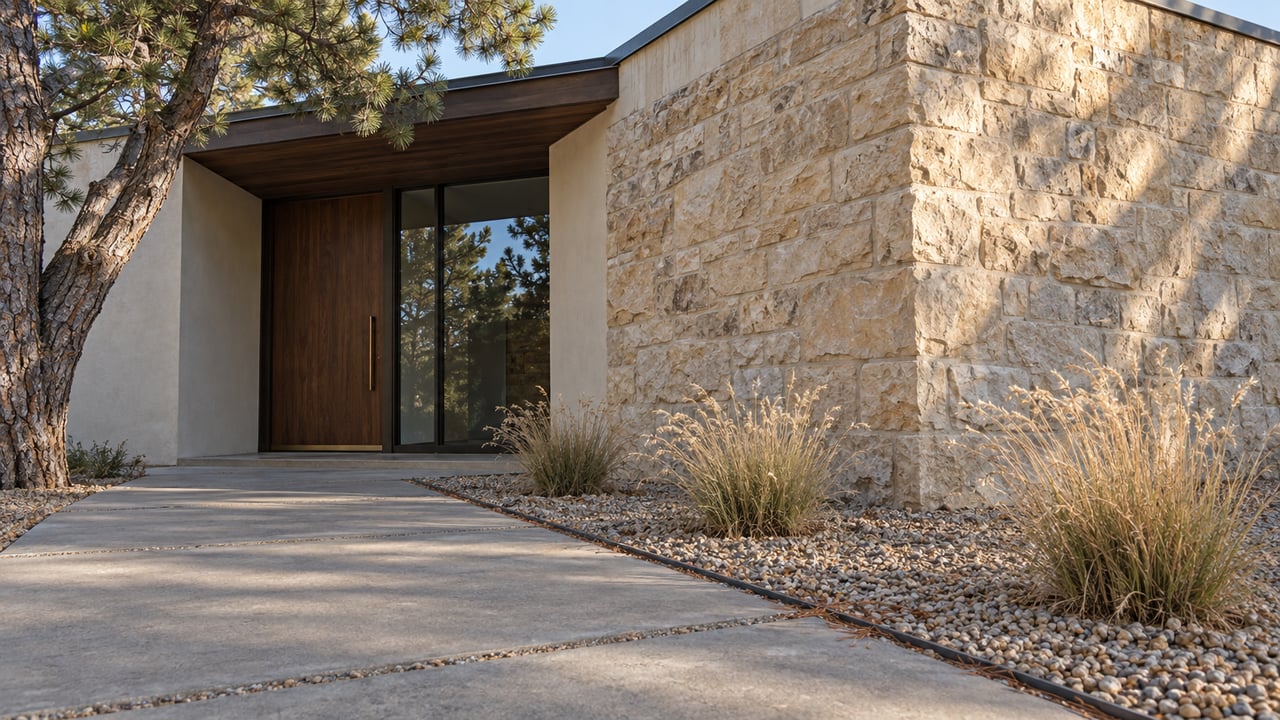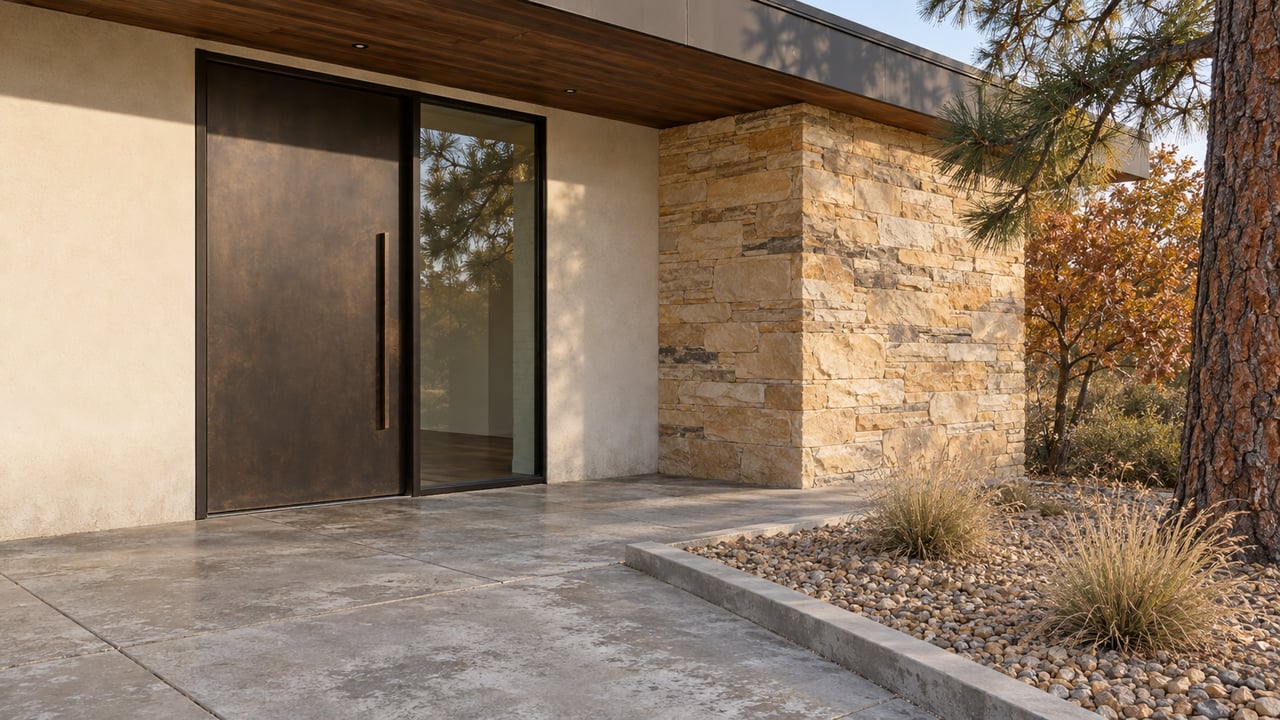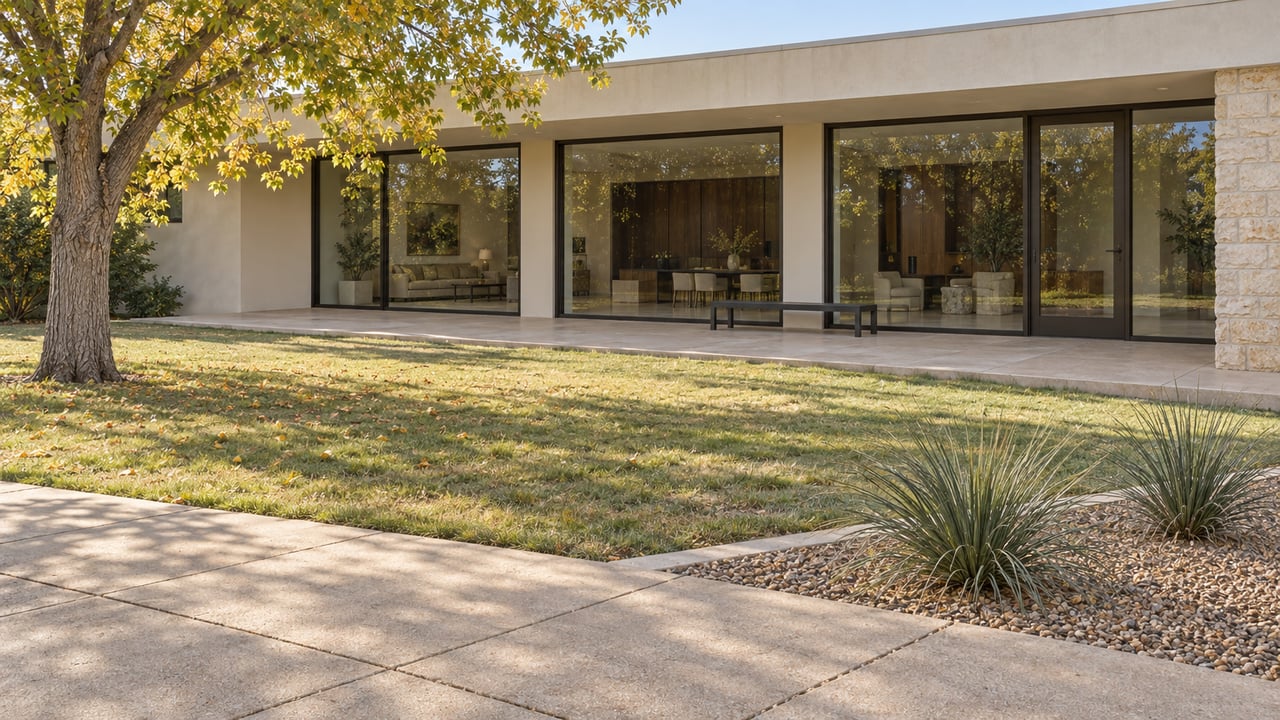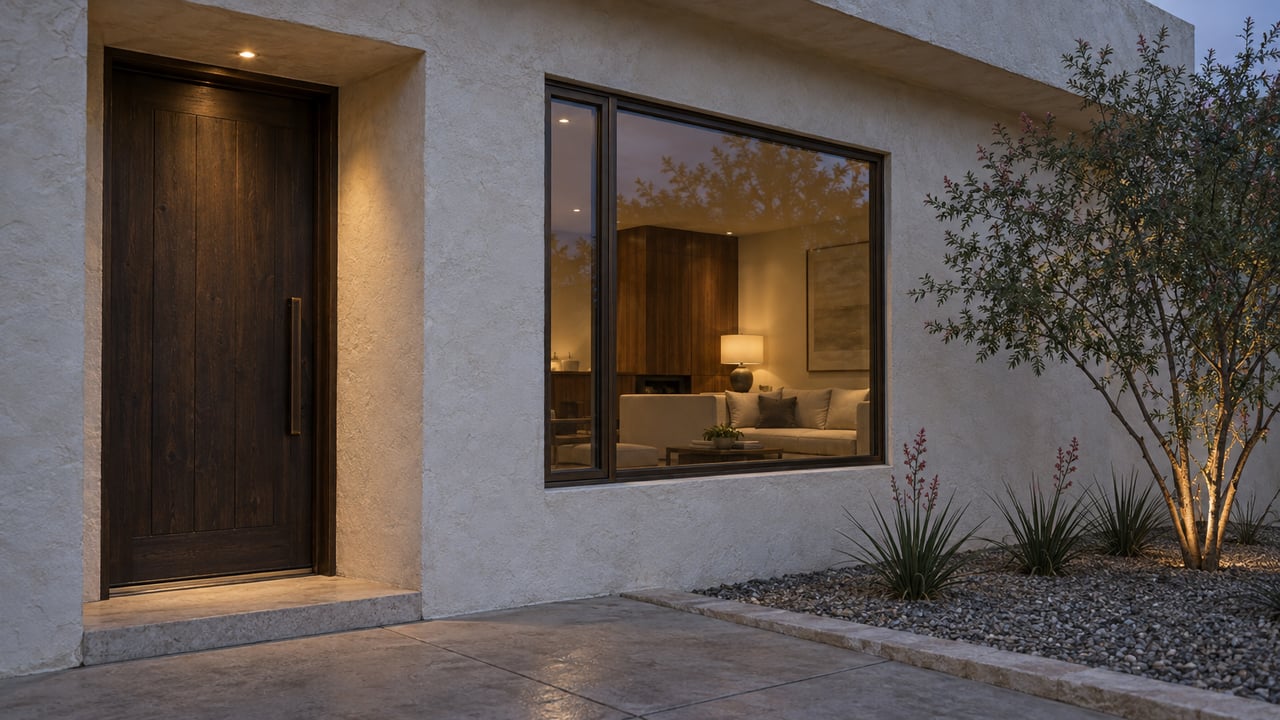
Thinking about buying in Rio Rancho and wondering whether an HOA is worth it? You are not alone. The decision shapes your budget, how you use your property, and your day-to-day lifestyle. In this guide, you will learn how HOAs work locally, the real costs and trade-offs, and a clear framework to decide if an HOA or non-HOA neighborhood fits you best. Let’s dive in.
HOA vs. non-HOA basics
In Rio Rancho, an HOA is a private community organization formed by recorded covenants, conditions, and restrictions. It collects dues, manages common areas, and enforces community rules. Communities range from small neighborhoods to larger master-planned developments with shared amenities.
Non-HOA areas have no association setting exterior standards or collecting dues. You still follow city or county codes, and some lots may have private covenants, but you manage your own property without community rules or fees.
Local context matters. Rio Rancho’s high-desert climate makes water use and landscaping important. Some HOAs promote xeriscaping and set front-yard standards. You will also find a mix of newer, planned communities that often have HOAs and older or more rural pockets without them.
Costs and financial risks
Choosing an HOA is not just about the listed dues. It is about how the association manages money, plans for repairs, and handles surprises.
Types of HOA charges
- Regular dues paid monthly, quarterly, or annually to cover operations, landscaping, amenities, and administration.
- Special assessments that fund unexpected or large projects like pool repairs, irrigation upgrades, street work, or clubhouse fixes.
- Transfer fees at resale, architectural application fees, and fines for rule violations.
Financial health signs
- Reserve funds and reserve studies help prevent large surprise assessments. Ask when the last study was completed and how much is in reserves.
- Budget transparency matters. Look for an annual budget, operating statements, and audit or financial review.
- Litigation can strain finances. Ask about lawsuits in the past 5 years and how they were resolved.
Lending and insurance realities
- Lenders may review HOA financials and policies. Some require the association to meet specific criteria, which can affect your loan options.
- The HOA’s master insurance typically covers common areas and liability. You still need a homeowner policy for your property and may need extra coverage based on the HOA’s policy structure.
Local cost drivers to watch
- Landscaping and irrigation are significant in a desert climate. Ask how the HOA manages water use and if xeriscaping is encouraged.
- Seasonal maintenance for pools and sprinkler systems can impact annual budgets and dues.
Key takeaway: Do not rely on the listed monthly fee alone. Review the financials and ask targeted questions before you write an offer.
Lifestyle trade-offs in Rio Rancho
Your day-to-day living experience is often the deciding factor. Consider how you want to use your property and how you like a neighborhood to look and feel.
Amenities and maintenance
- Many HOAs maintain pools, parks, trails, gates, open space, lighting, and signage. You get access without managing upkeep yourself.
- Consistent standards and maintained common areas can support curb appeal.
- Predictable dues can help you budget for services you would pay for individually in a non-HOA area.
Restrictions to expect
- Architectural controls often cover paint colors, roofing, additions, fencing, and landscaping details. Some associations set guidelines for solar panel placement.
- Use rules can include rental limits, short-term rental restrictions, parking policies for RVs or boats, pet rules, and seasonal or noise guidelines.
- Compliance typically comes with violation notices, fines, and potential liens for unpaid dues.
Non-HOA lifestyle
- You have more flexibility for exterior changes and how you use your property, within city or county code.
- You pay no HOA dues, but you handle all maintenance and any amenities on your own.
- Neighborhood appearance may vary more, which can influence perceived value.
Rio Rancho specifics to weigh
- Water conservation: If you want native or xeric landscaping, confirm whether HOA guidelines allow it and how irrigation is managed.
- Outdoor vehicles and equipment: If you own RVs, trailers, ATVs, or multiple trucks, verify parking and storage rules in the CC&Rs or with the city for non-HOA areas.
- Pets: Many subdivisions set pet limits and leash rules. If you have several or large dogs, confirm policies before you commit.
How to evaluate an HOA
Before you make an offer, request a full document package. This is where you verify costs, rules, and governance.
Print-friendly document checklist
- Declaration of Covenants, Conditions & Restrictions and Bylaws
- Articles of Incorporation
- Rules and Regulations or Architectural Guidelines
- Most recent annual budget and financial statements
- Reserve study or current reserve balance and policy
- Board meeting minutes for the last 12 to 24 months
- Current assessment schedule and notices of any planned assessments
- Master insurance certificate with coverage and deductibles
- Management contract and contact details for the manager
- List of current board members and election practices
- Notices of pending litigation or judgments
- Resale certificate or estoppel letter showing dues and delinquencies
Key questions to ask
- What are the current dues and exactly what do they cover?
- Are special assessments planned or being discussed?
- How much is in reserves and when was the last reserve study?
- Has the association had litigation in the past 5 years? What is the status?
- How restrictive are the CC&Rs on exterior changes, rentals, or solar?
- How are violations enforced and what is the fine schedule?
- Who manages the association and how active is the board?
- Are capital projects planned, such as irrigation upgrades or clubhouse improvements?
Red flags to avoid
- Missing or outdated financials and no reserve study
- Very low reserves considering the age and needs of common areas
- Frequent or recent special assessments without clear explanation
- Active litigation or heavy enforcement actions
- High turnover of managers or board members
- Rules that feel burdensome or inconsistently enforced
Good signs to value
- Recent reserve study and healthy, growing reserves
- Clear budgets and transparent financial reporting
- Regular, open board meetings with accessible minutes
- Stable professional management with reasonable fees
- Balanced rules that protect standards without micromanagement
Decision framework for Rio Rancho buyers
Use this simple, step-by-step process to make a confident choice.
- Identify priorities
- Do you want amenities like a pool or parks without handling maintenance? Are you comfortable paying dues for that convenience?
- Do you need flexibility to modify the exterior, add structures, or run a business from home?
- Will rental rules affect you now or later?
- Do you prefer predictable monthly costs or can you handle the risk of special assessments?
- Do you plan water-wise landscaping that could conflict with HOA rules?
- Check financial feasibility
- Add HOA dues to your monthly affordability and long-term ownership costs.
- Review reserves, any proposed assessments, and recent financial statements.
- If you are financing, ask your lender whether the HOA meets their requirements.
- Inspect governance culture
- Read board minutes to see if the association is proactive and fair.
- Talk with neighbors about enforcement and overall community experience.
- Match rules to lifestyle
- If you plan frequent renovations, own RVs or multiple vehicles, or want to allow short-term rentals, confirm CC&R allowances before making an offer.
- Consider resale and marketability
- Some buyers prefer well-maintained HOA communities with amenities. Others value full control in non-HOA areas. Think about the future buyer pool for the property you choose.
Non-HOA due diligence
Non-HOA living can be a great fit if you want maximum control. You still want to check a few items before you buy.
- Confirm any private covenants on the lot, along with city and county codes that apply.
- Plan for yard and exterior maintenance, including irrigation and any desired amenities like a private pool.
- Consider neighborhood variability and how it fits your goals for appearance and resale.
- Budget for unexpected repairs or upgrades that an HOA might cover in a different setting.
Make the call with confidence
Choosing between an HOA and a non-HOA home in Rio Rancho comes down to what you value: amenities and consistent standards, or flexibility and full control. Look beyond the listed dues. Study the financials, read the rules, and picture your daily life under each setup. When you match your lifestyle, budget, and long-term plans to the right neighborhood type, you set yourself up for a smoother ownership experience.
If you want targeted guidance on specific neighborhoods or help reviewing HOA documents, reach out to the local experts at The Lux Real Estate Group. We will help you compare options and move forward with clarity.
FAQs
Will an HOA prevent me from installing solar panels in Rio Rancho?
- Often an HOA sets design or placement guidelines for solar. Check the CC&Rs and any architectural rules for the specific community before you make plans.
Can an HOA place a lien or foreclose for unpaid dues?
- Many associations have lien rights for unpaid assessments that can escalate. Review the governing documents and ask your title company to confirm any recorded liens.
Do HOA rules apply to renters if I lease my home?
- Yes. Owners are responsible for tenant compliance with the CC&Rs and rules. Review any rental limits or short-term rental policies if you plan to lease.
How do I get HOA documents during escrow in Rio Rancho?
- Request them through the listing agent or directly from the seller or management company. A resale certificate or estoppel letter usually shows current dues and any delinquencies.